
stephaniezhengstephaniezheng
For years, the Maldives has carried a very specific image: honeymooners drifting across impossibly blue lagoons, champagne on deck, overwater villas made for two. It’s beautiful, yes. But toddler-friendly? Grandparent-proof? Practical for three generations travelling together? Not exactly the first destination that springs to mind.
And yet, when done right, the Maldives quietly solves many of the pressure points that make multi-generational holidays complicated elsewhere. Space is built in. Safety comes naturally with calm lagoons and car-free islands. Getting around is easy. Everyone lives within walking distance of the beach. The key, of course, is choosing a resort that understands how families actually travel, and not just how couples holiday.

Choosing the right resort in Maldives is important for families
That’s where Sun Siyam enters the conversation. Maldivian-owned and operated, the group is rooted in a culture where hospitality is instinctive rather than instructed, with six island resorts spread across the Maldives and Sri Lanka. Service feels intuitive, warm and uncontrived, shaped by people who call these islands home. It is this authenticity that defines Sun Siyam as The Home of the Maldivian Spirit, where guests experience the Maldives not as spectators, but as welcomed friends.

Grand Water Pavillion with Pool Slide at Sun Siyam
Why multi-gen travel needs a different kind of luxury
Travelling with three generations isn’t about excess. It’s about balance. One person wants sunrise snorkelling. Another wants a shaded lounger and a novel. Someone needs a nap. Someone else wants ice cream now.
The real luxury is flexibility.
Sun Siyam quietly challenges the long-held notion that the Maldives is reserved for honeymooners. Here, the experience is just as compelling for families, with space and flexibility built into the very design of each stay.

Multi-bedroom villas and expansive residences allow everyone to share one address without sacrificing comfort. Grandparents can enjoy a peaceful terrace, parents have privacy once the children are asleep, and little ones wake up with the beach or lagoon just steps away. It is a version of the Maldives that feels open, relaxed and genuinely suited to life across generations.

Space and flexibility are built into the very design of each stay
Practicality also plays a role. Several properties offer children under 15 the chance to stay and eat free on the same meal plan as their parents, which brings significant savings for larger families. Meanwhile, 24-hour premium all-inclusive options across several resorts remove the small daily negotiations that often define group travel. No tallying bills after every meal. No debating whether to book another excursion. It’s taken care of, leaving families free to focus on one another.
Together, but not on top of each other

Family Deluxe Beach Villa with Pool
Island life lends itself naturally to shared space with breathing room. There are no traffic jams, no competing day trips across sprawling cities, no pressure to “see everything”. The lagoon is steps away. The reef is close enough to swim to. The day unfolds slowly.
Sun Siyam Iru Fushi blends island-chic relaxation with vibrant family adventure. While younger guests explore the Koamas Kidz Club for mindful discoveries and supervised play, or head to the Water Sports Centre to discover marine life at Nemo Park through guided snorkelling and “Your First Dive” sessions, families can connect over nature walks and “Maldivian Roots” cultural evenings. The resort thoughtfully balances this energy with adult-only sanctuaries, from nature-infused spa treatments and quiet pool bars to sunset aperitifs at the Beach Club with a live DJ.
At Siyam World, family time comes with a little more adrenaline. Think mornings at the floating water park, afternoons at the horse ranch, go-kart races that turn siblings into friendly rivals, and football camps led by star players and legends that give young fans serious bragging rights. There is space to move, to try something new, or simply to watch the action unfold.

The beauty is that everyone can dial it up or down. Grandparents can cheer from the sidelines or enjoy a quiet circuit of the island, while parents switch between snorkelling trips, lagoon swims and sunset cruises. Meanwhile, the children are plotting their next round at the water park. And when the day winds down, expansive villas with up to four bedrooms make it easy for the whole crew to regroup under one roof, swap stories and do it all again tomorrow.
At Sun Siyam Olhuveli, the energy shifts into something more playful and social. Spread across multiple islands, it has a natural buzz, with pop-up events, beach gatherings and activities that keep every age group engaged. There is the thrill of the jet car skimming across the lagoon, water sports for the adventurous, and the Maldives’ longest pool weaving through the island, with multi-storey pavilions ideal for multigenerational stays. It is the kind of place where cousins find their freedom, parents rediscover their fun side, and grandparents can choose between lively beachfront scenes or quieter corners, all within one easy, connected setting.

Jet ski? No. Jet Car.
Shared moments that actually feel shared

Family Beach
The best multi-generational memories rarely happen during scheduled “kids’ activities” or adult-only experiences. They happen in the in-between moments.
A Cinema by Moonlight screening on the ocean, where grandparents explain the plot while children stretch out on beanbags beneath the stars. Ice-blocks on the Go — brightly coloured frozen treats delivered by tricycle — that spark laughter across all ages. Or during the Maldivian Roots experience, where live cultural performances, generous island feasts and the steady beat of the Boduberu drums create the kind of evening that effortlessly brings everyone together. Teenagers abandon their phones, little ones copy the dancers, parents join in, and even grandparents find themselves clapping along, barefoot in the sand as the rhythm carries on.
Snorkelling straight from the beach or villa becomes a family ritual rather than an organised excursion. A grandparent floats calmly near the surface. A teenager dives below. A younger child grips a parent’s hand. The reef does not discriminate by age.
Why families return

Families can carve out a space
Luxury in the Maldives often focuses on spectacle: architecture, infinity pools and overwater design. What tends to linger longer, though, is warmth.
Sun Siyam’s story is rooted in Maldivian ownership and leadership. Founded by Ahmed Siyam Mohamed, the group reflects a hospitality culture where guests are treated less like room numbers and more like returning friends. Traditional welcomes, local storytelling, cultural masterclasses and island community visits are woven into the stay without feeling performative.
“I wanted to create not just a hotel, but an unforgettable experience,” Mohamed explains. “A Maldivian home, where guests feel at ease and fall in love with the surroundings.”
“This culture of open-hearted hospitality shaped me, and it’s something I carry forward in everything I do, making family and togetherness central to my life,” he added.
It is perhaps why some families return year after year, shifting from milestone celebrations to annual reunions. The islands become markers in a family’s timeline: the year a child first snorkelled independently, the year grandparents danced to Boduberu under the stars, the year cousins shared a villa for the first time.

Horse ranch at Siyam World
The Maldives may look like a once-in-a-lifetime splurge from afar. For many multi-generational families, when the right environment meets genuine hospitality, it becomes something steadier: a home away from home in the middle of the Indian Ocean.
To unlock exclusive offers, visit sunsiyam.com
A spectacular new nature-themed attraction invites families to explore prehistoric giants, microscopic worlds and the deepest ocean depths – all without leaving Singapore. By Stephanie Zheng
If you’ve ever wanted to stand face-to-face with a Mesozoic dinosaur, peer into the glowing world of deep-sea creatures, or feel the electricity of a monsoon storm, Singapore’s newest attraction has you covered. Exploria opens its doors at the Mandai Wildlife Reserve on 3 March 2026, and it’s shaping up to be one of the most exciting family days out in Southeast Asia.
Spanning 10,000 square metres – making it one of the region’s largest indoor, nature-themed multimedia attractions – Exploria takes visitors on a journey through five immersive worlds, each one revealing a hidden corner of the natural world through breathtaking technology, real-world science and hands-on interactivity.
Five Worlds to Discover

The Planet Awakens, Exploria’s signature light show spectacle at Our Interconnected World.
Families begin their adventure at Our Interconnected World, the central hub anchored by a four-metre pulsing LED globe. It’s a fitting introduction to Exploria’s central message: that every action, no matter how small, ripples outward and shapes the world around us.

AR windows in Realm of the Giants bring static installations of prehistoric creatures to life.
From there, the five worlds branch out. In Realm of the Giants, visitors come face-to-face with Mesozoic dinosaurs and colossal sea creatures through monumental installations and augmented reality windows. The centrepiece — an eight-minute 360-degree standing theatre called The Giants Show — sweeps audiences through 500 million years of life on Earth. Little ones (and grown-ups) will be wide-eyed.

Micro Worlds lets visitors zoom in on a wonder library of hidden microscopic life.
Micro Worlds flips the lens entirely, magnifying the hidden universe of plankton, fungi, insect colonies and bacteria through interactive glass orbs and projection domes. It’s a gentle reminder that the most extraordinary things are sometimes the ones we can’t see with the naked eye.

A desert simulator at Exploria’s Bitdeer AI Extreme Frontiers.
For older kids and teens, Bitdeer AI Extreme Frontiers is likely to be a highlight. Simulator rooms transport visitors to some of the planet’s harshest environments: imagine stepping into a room heated to 40 degrees Celsius to experience the scorching desert world of the Namaqua chameleon, or bracing for the chill of a melting Arctic as polar bears navigate vanishing ice.

Hanging foliage simulates the rainforest canopy at Infinite Wonderland’s Sounds of the Forest.
Infinite Wonderland brings the lush spectacle of rainforests and coral reefs to life through multi-sensory richness, while World of Darkness uncovers the eerie, glowing secrets of caves and the deep ocean — bioluminescent vampire squids, eyeless yeti crabs and blind cave fish among them. Both are genuinely stunning.
Built for Families, Designed for Teens
Exploria has been designed with a specific challenge in mind: how do you get teenagers genuinely excited about nature? The answer, it turns out, involves RFID wristbands, digital avatars, species badges and a live leaderboard. Every visitor gets a wristband that unlocks interactive installations, reveals hidden “Hidden Gems” and triggers photo-worthy “Memory Hook” moments throughout the experience. Profiles stay active for a year, making return visits feel fresh: handy for families with annual passes.
Younger children will be swept up by the spectacle and scale, while adults can appreciate the science-led storytelling that underpins every exhibit. This is the rare attraction that genuinely has something for everyone — and doesn’t feel like a compromise for any of them.
The Practical Bits
Exploria is open from 11am to 8pm on weekdays, and until 9pm on weekends and public holidays. Standard admission is S$38 for adults and S$28 for children and students. Singapore residents can sign up for a free WildPass digital membership to access discounted rates: S$34.20 for adults, S$25.20 for children and students, and S$20 for seniors.
To celebrate the opening, limited-time bundles valid until 31 May pair admission with a collectible Exploria-themed blind box, created in collaboration with Singapore toy designer Mighty Jaxx. For families planning multiple visits, the Friends of Mandai Ultimate membership covers unlimited access to all wildlife parks and attractions across the reserve, including Exploria.
Exploria is located at the eastern cluster of the Mandai Wildlife Reserve, 80 Mandai Lake Road, Singapore. More information and tickets at www.mandai.com
Planning a last-minute Lunar New Year trip? Discovers a gentle, family-friendly Japan itinerary with apartment-style stays, cultural moments, and space for multi-generational travel. By Stephanie Zheng
For many ASEAN families, Lunar New Year travel is more about finding time. Time to gather, eat well, and be together without the pressure of a tightly packed itinerary. For those still considering a last-minute trip, Japan offers a surprisingly good fit, even though it doesn’t officially celebrate Lunar New Year.
Why Japan works for Lunar New Year travel, even without the holiday
The first week of the year in Japan is shaped by parallel ideas familiar across the region: visiting temples and shrines, reflecting on the year ahead, and easing into a fresh start. Add winter’s quieter pace and well-run infrastructure, and Japan becomes a calm, manageable option for families travelling with children, grandparents, or both.
A practical base for multi-generational families

Anone Kids Club
One of the biggest challenges for multi-generational trips is accommodation. Families often end up split across rooms or floors, which makes simple moments such as shared meals, downtime and bedtime routines harder than they need to be. This is where apartment-style stays such as MIMARU Apartment Hotels quietly make a difference. Designed with groups in mind, these properties offer larger rooms that allow four to eight people to stay together, giving families a shared base rather than just a place to sleep.
Tokyo: easing into the new year gently

Tokyo Ikebukero Pokemon Room
A six-day route through Tokyo, Kyoto, and Osaka works particularly well for Lunar New Year travel. Tokyo helps families settle in gently, with neighbourhoods like Ikebukuro offering easy dining, shopping, and transport connections. A visit to Senso-ji Temple provides a meaningful moment to make wishes for the year ahead, while flexible days allow families to move at their own pace.
Kyoto: reflection, rituals and slower days

Kyoto Shinmachi Sanjo Baby Friendly Room
Kyoto brings a slower rhythm that resonates with the reflective mood of the season. Shrines, bamboo groves, and traditional streets offer cultural depth without overwhelming younger travellers, especially when afternoons are left open for rest.
Osaka: ending on a lighter, livelier note

Osaka Shinsaibashi North Room
Osaka then closes the journey on a warmer, more playful note, with street food, casual shopping, and an easygoing atmosphere that appeals across age groups.
Why this route suits ASEAN families travelling last minute
What makes Japan especially appealing for ASEAN families travelling at the last minute is its balance of structure and flexibility. Trains run smoothly, food is accessible even for picky eaters, and winter crowds are generally manageable. When paired with accommodation that allows families to stay together and share daily routines, the trip feels less like a whirlwind holiday and more like a true reunion — a calm, intentional way to begin the year together.
Discover the best long-weekend escapes in Asia for families, featuring easy-to-reach destinations, kid-friendly stays and low-stress travel ideas. By Stephanie Zheng
Long weekends are the unsung heroes of family travel. Too short for jet lag, too precious to waste on overplanning, and just long enough to feel like a reset if you choose wisely. Asia excels here: short flight times, destinations that genuinely cater to families, and resorts and cities designed for ease rather than endurance tests.
This guide focuses on places that work brilliantly for three- to four-night escapes, where transfers are painless, cost not prohibitive, and activities don’t require a colour-coded spreadsheet. Whether you’re travelling with toddlers, tweens or grandparents in tow, these destinations prove that you don’t need a fortnight to make proper memories.
How the destinations are chosen
Every destination here meets at least three of the following:
- Flights under five hours from major Asian hubs
- Family-friendly infrastructure (not just “kids tolerated”)
- Easy transfers and minimal internal travel
- A strong balance of relaxation and stimulation
Cambodia
Siem Reap: Culture, Nature And Easy Wins With Kids
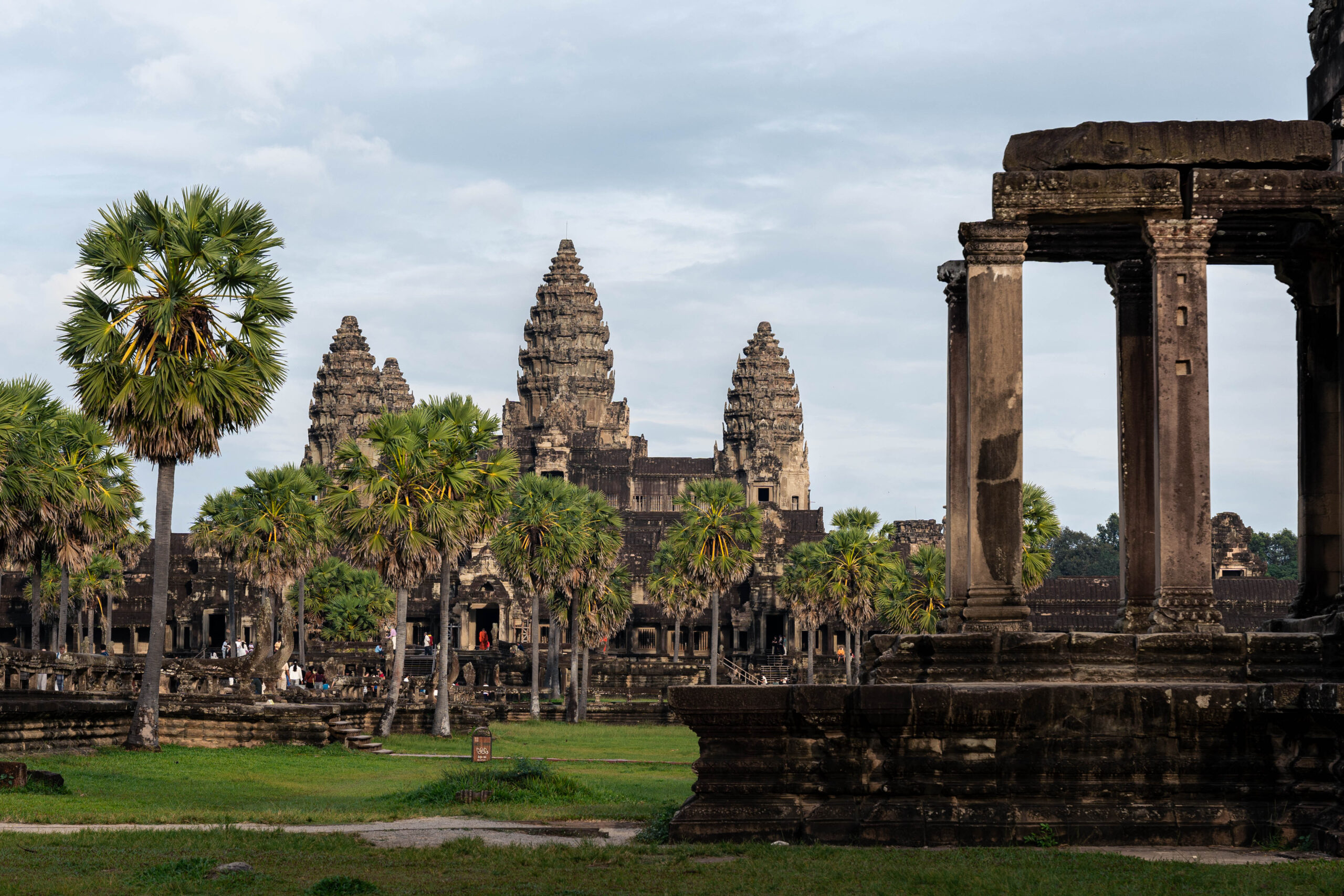
Siem Reap
Siem Reap, Cambodia is one of Southeast Asia’s most rewarding destinations for families looking to introduce children to culture without overwhelm. Best known as the gateway to Angkor, the town pairs world-class heritage with a relaxed, family-friendly pace that makes travelling with kids feel manageable rather than exhausting. Temple visits can be paced around early mornings or short guided routes, while experiences such as countryside cycling, boat trips on Tonlé Sap Lake and hands-on cultural workshops add variety between sightseeing days. Siem Reap’s compact layout means transfers are short, dining is easy, and downtime is built naturally into itineraries. A strong selection of family-oriented hotels and resorts offer spacious rooms, swimming pools and activities designed for younger travellers, making it simple to balance exploration with rest. For families seeking meaningful travel that blends history, education and gentle adventure, Siem Reap offers depth without drama.
Phnom Penh: culture, history and manageable adventure

Phnom Penh
Phnom Penh may not be the obvious family choice, but that’s exactly why it works. Compact and culturally rich, the city is well-suited to curious families travelling with older children or teens.
A long weekend allows time to explore Cambodia’s history through museums and landmarks, balanced with riverside walks, café hopping and hands-on cultural experiences. Hotels are generally spacious and good value, and the city’s scale keeps travel time short and days flexible.
It’s an enriching option for families ready to move beyond resorts, without diving into logistical deep water.
Vietnam
Phu Quoc: A Relaxed Island Escape For All Ages
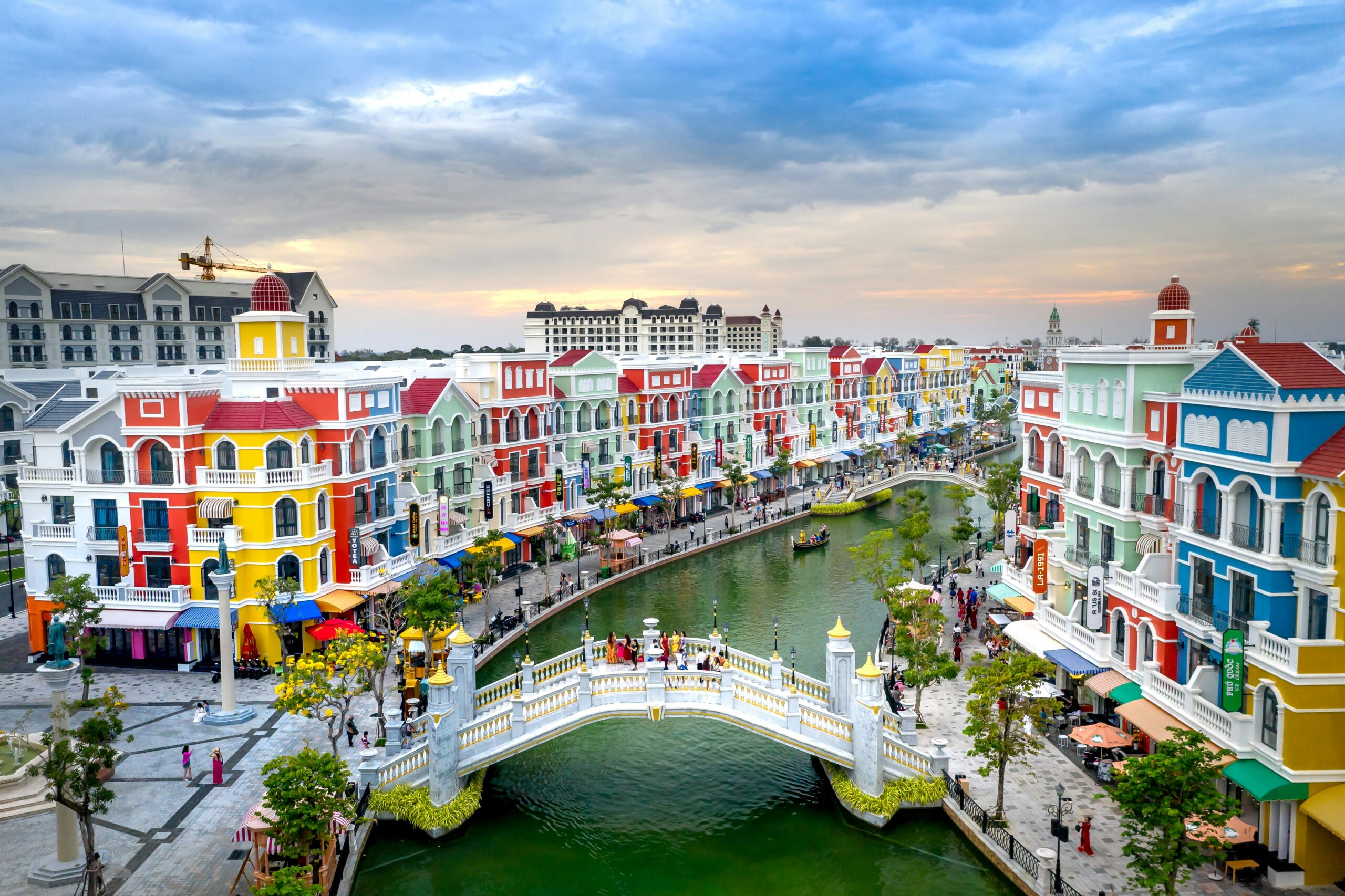
Phu Quoc. Photo by Quang Nguyen Vinh via Pexels.
Phu Quoc is a natural fit for families craving a beach holiday that feels easy from start to finish. Vietnam’s largest island is known for its calm seas, wide sandy beaches and laid-back atmosphere, making it especially appealing for families with younger children. Days here revolve around simple pleasures — swimming, snorkelling in shallow waters, island-hopping excursions and unhurried meals by the sea. Beyond the beach, Phu Quoc offers low-effort outings such as cable car rides, nature parks and local fishing villages that add texture without complicating schedules. Resorts are well set up for family stays, with kid-friendly pools, spacious villas and on-site dining that accommodates different ages and appetites. For families looking to slow down and reconnect in a tropical setting, Phu Quoc delivers a stress-light island escape that still feels distinctly Vietnamese.
Da Nang: beach resort ease with city convenience
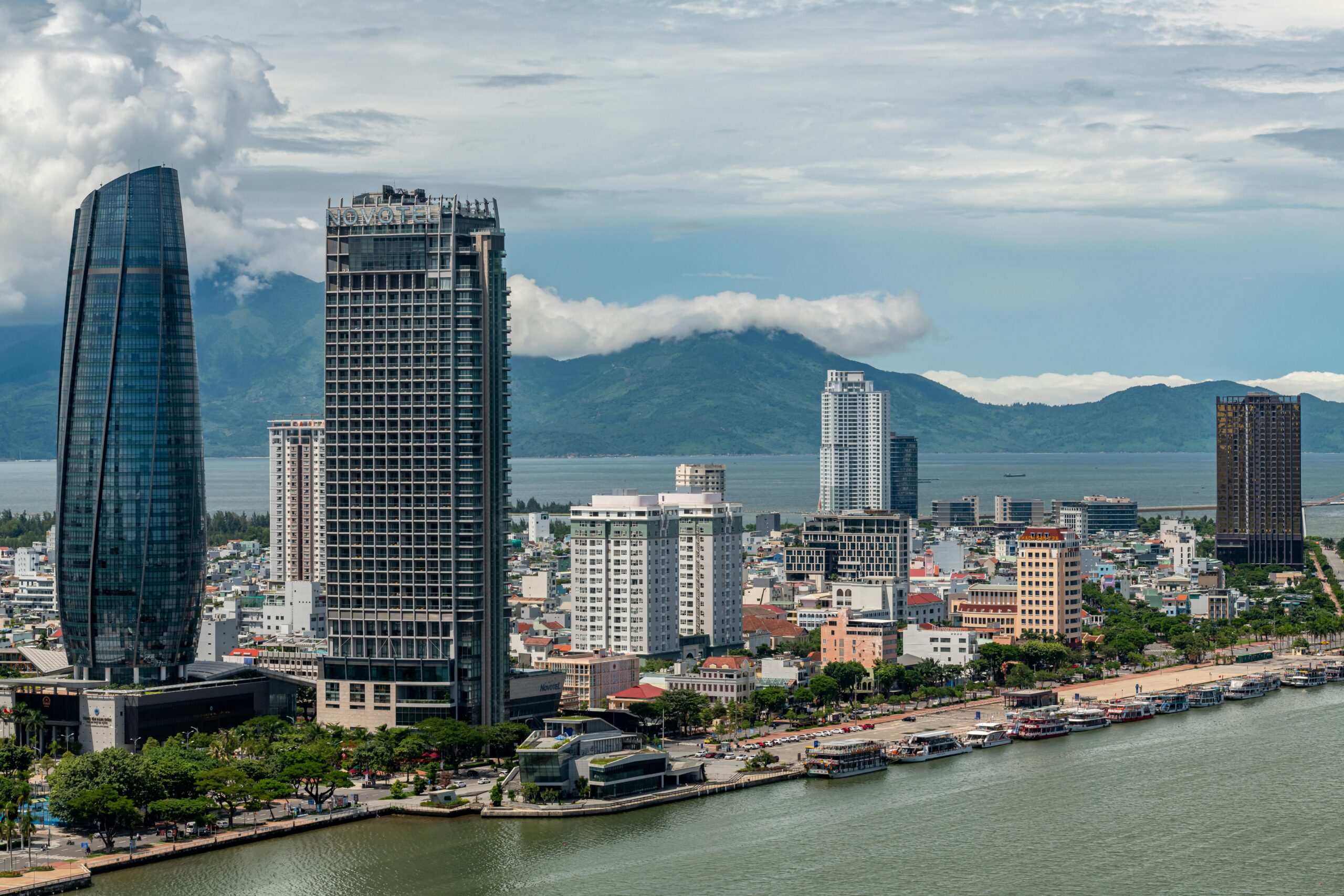
Danang. Photo by Kirandeep Singh Walia via Pexels.
Da Nang quietly nails the family long-weekend brief. Modern, clean and refreshingly spacious, it offers wide beaches, contemporary resorts and short travel times that keep stress low.
Families can split time between beach days and easy attractions—whether that’s theme parks, cable cars or simply cycling along the coast. Resorts here often offer strong value, with generous family rooms, kids’ activities and facilities that rival more established resort destinations.
It’s a smart pick for families wanting a beach break without crowds or inflated prices.
Thailand
Khao Lak: calm beaches and family-first resorts
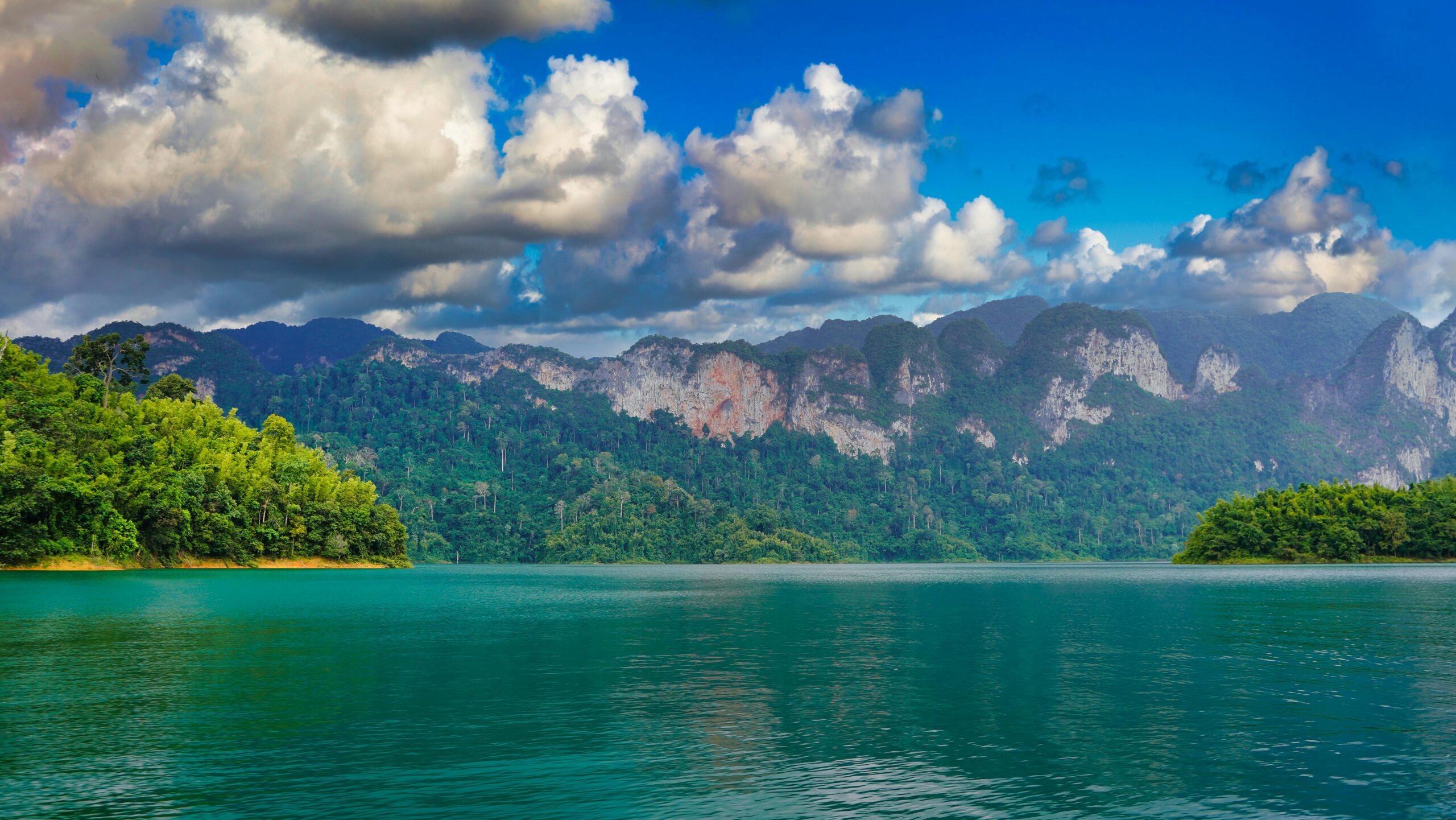
Khao Lak. Photo by phiraphon srithakae via Pexels
Khao Lak is Thailand at its most family-friendly and least frantic. Just over an hour from Phuket airport, this laid-back stretch of coastline trades nightlife for space, shallow beaches, and resorts that genuinely understand travelling with kids.
The appeal for long weekends lies in its simplicity: wide beaches with gentle waves, expansive resorts where everything is walkable, and kids’ clubs that feel thoughtfully designed rather than bolted on. Parents get breathing room: spa time, long breakfasts, actual downtime, while children are kept happily busy with pools, nature activities and low-key adventures.
It’s an especially good option for families with younger children or grandparents in tow, where ease and comfort matter more than ticking boxes.
Indonesia
Bandung: Cool-climate escapes and easy family fun
Bandung is a favourite long-weekend destination for families looking to escape the heat and slow the pace without committing to a full beach holiday. Set in the highlands of West Java, the city is known for its cooler climate, scenic landscapes and family-friendly attractions that are easy to bundle into short trips. Families can explore tea plantations, crater lakes and hot springs just outside the city, while central Bandung offers casual shopping streets, cafés and creative parks that appeal across age groups.
Many family-friendly hotels and resorts are designed as self-contained stays, with spacious rooms, swimming pools and outdoor activities that reduce the need for constant planning. With short travel times from major Asian hubs and a relaxed rhythm that suits multigenerational trips, Bandung is an easy, refreshing choice for families seeking a nature-leaning city escape in Indonesia.
Japan
Osaka: big fun, compact and kid-approved
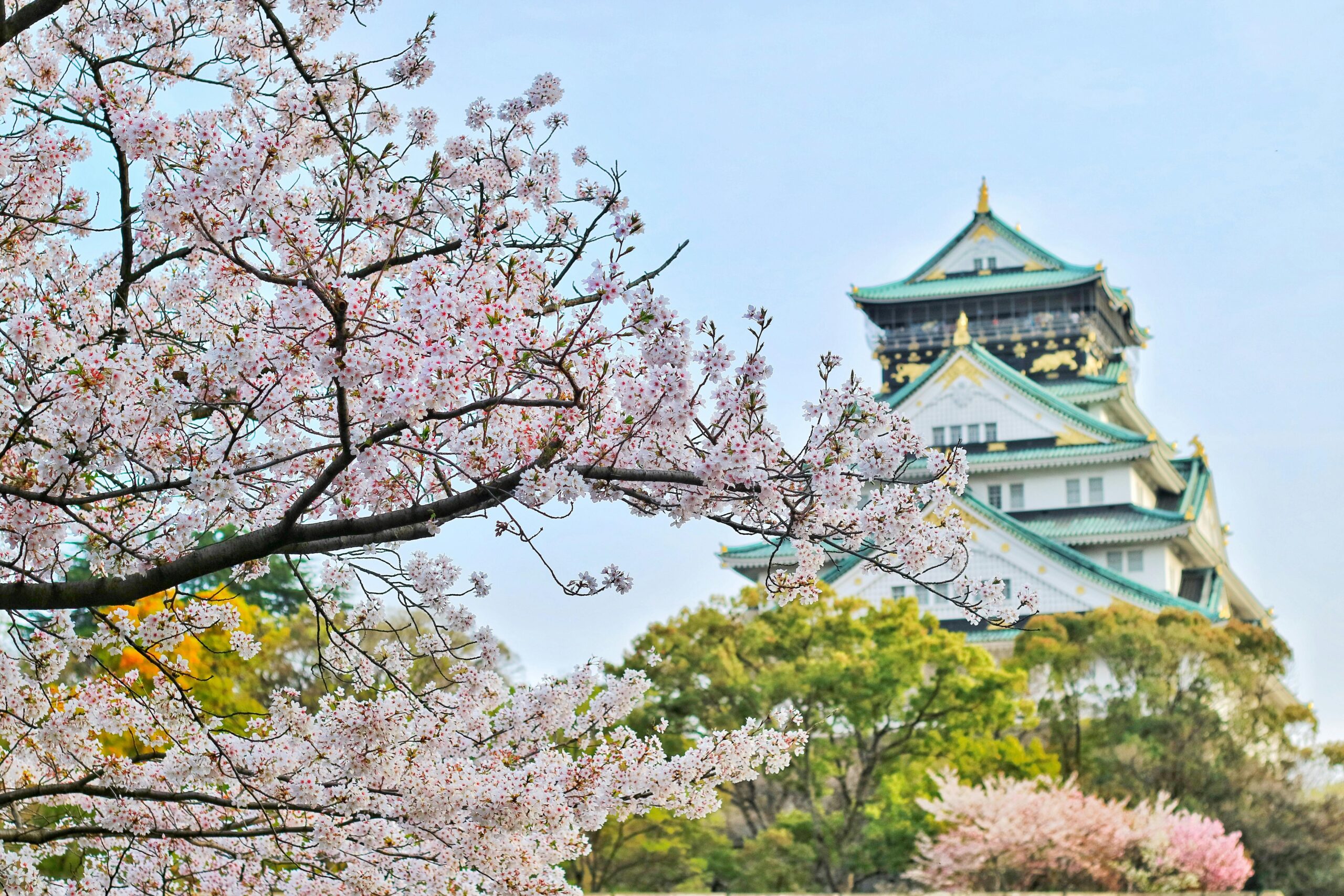
Osaka. Photo by Bagus Pangestu via Pexels.
Osaka delivers Japan without the overwhelm. Compact, energetic and famously food-obsessed, it’s a city that works beautifully for families over a long weekend, particularly those travelling with school-aged kids or teens.
Universal Studios Japan is an obvious highlight, but the city’s walkability, excellent transport and casual dining culture make everything feel manageable. Kids are entertained, parents eat well, and nobody feels like they’re constantly in transit.
For families keen on culture, entertainment and food rolled into one efficient package, Osaka punches well above its weekend weight.
Singapore
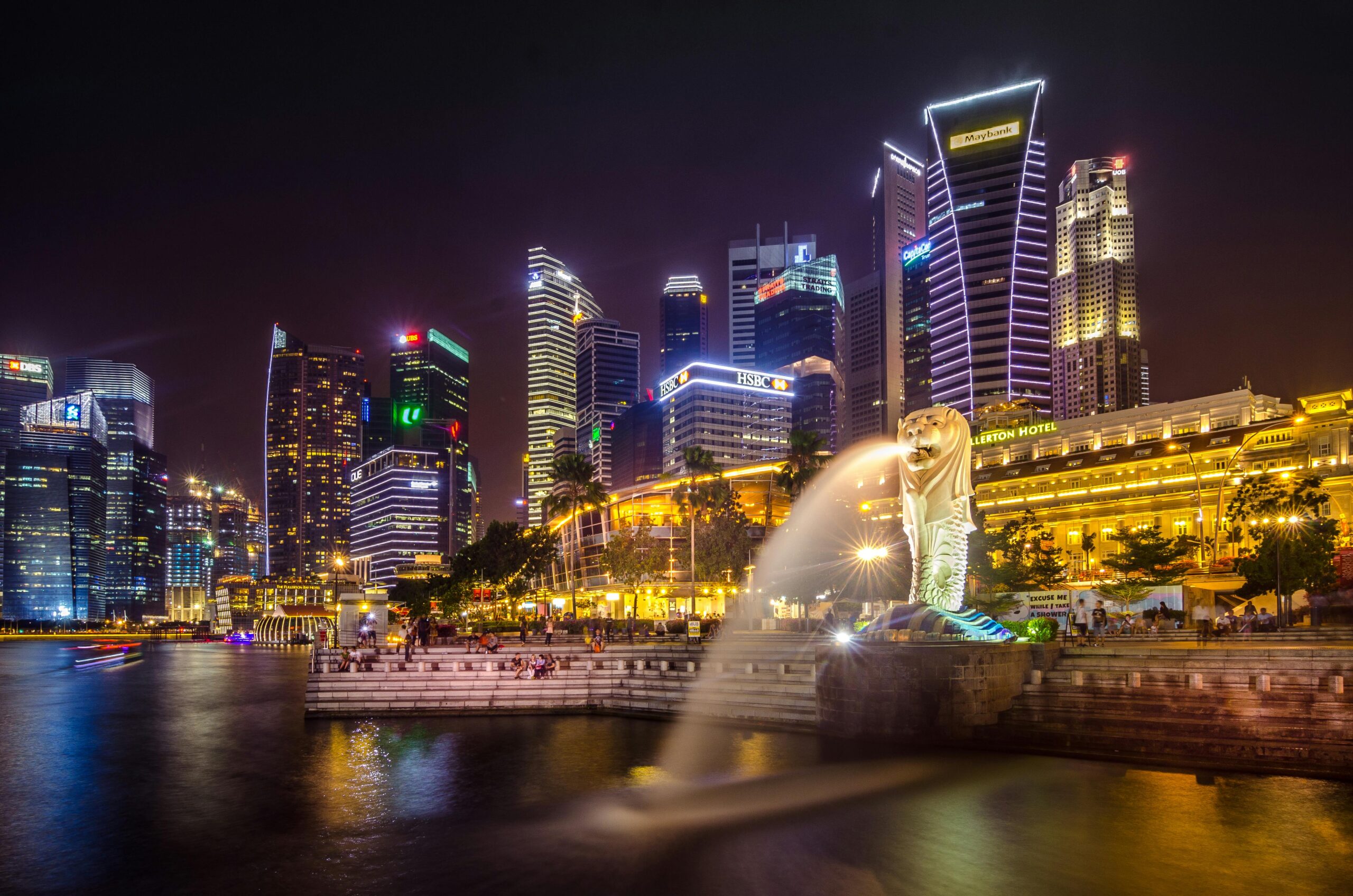
Singapore. Photo by Kin Pastor via Pexels
Singapore is one of Asia’s easiest and most rewarding destinations for families, especially for first-time travel with children. Compact, impeccably organised and designed with families in mind, the city offers a rare mix of world-class attractions, green spaces and everyday convenience.
Families can move effortlessly between wildlife encounters at Mandai, hands-on museums, beach time on Sentosa and neighbourhood food centres that cater easily to young palates. Clean public transport, stroller-friendly infrastructure and a strong focus on safety make navigating the city stress-free, even with toddlers in tow.
Add to that a wide selection of family-friendly hotels, serviced apartments and resorts with kids’ clubs and splash pools, and Singapore becomes an ideal base for short breaks, stopovers or longer Asia-focused itineraries. For families seeking a destination that balances culture, comfort and child-friendly experiences without compromise, Singapore sets the benchmark for family travel in Asia.
Practical planning tips for family long weekends
- Choose destinations where airport transfers are under 90 minutes
- Prioritise accommodation with on-site dining and activities
- Fly out early, return late: time matters
- Pack light and plan less than you think you need
Long weekends don’t need to feel rushed or compromised. With the right destination, even three or four nights can deliver rest, connection and genuine enjoyment for the whole family. After all, Asia offers some of the easiest, most rewarding short escapes anywhere, if you know where to look.
A family summer holiday in Cambodia balances discovery with downtime and offers a compelling alternative to busier destinations. Also, it fits well with school summer breaks.

Experience the unique culture of Cambodia
Why a summer holiday in Cambodia appeals to families
Cambodia invites families to travel at a gentler rhythm. So, instead of centring a trip around a single experience, expect a family trip revolving between ancient heritage, creative cultural encounters, island relaxation, and understated city living. From the temples of Siem Reap to peaceful coastal escapes and the riverside charm of Phnom Penh, the journey unfolds naturally, offering space for both exploration and rest. Plus, Cambodia’s “summer” typically lines up with June to September, which sits within the country’s lush Green Season, think warm days, quick tropical downpours, fewer crowds and landscapes at their most vibrant.
Another of Cambodia’s great strengths as a family destination is its balance. Days can be filled with activity, learning, and gentle adventure, yet the overall pace remains calm. Travel times between key destinations are manageable, and experiences are rarely crowded or rushed, allowing families to stay present and engaged.

Coffee Embassy, Siem Reap
Cambodia is good value, even for longer stays
A summer holiday in Cambodia also offers strong value for families. High-quality accommodation, attentive hospitality, and memorable dining experiences are available at price points that make longer stays or thoughtful upgrades more accessible. This ease allows families to focus on enjoying the journey, rather than managing logistics.
Equally significant is the warmth of the Cambodian people. Children are welcomed openly, and everyday interactions can become meaningful cultural exchanges. For many families, this sense of connection is what sets Cambodia apart.
For an added layer of cultural immersion, families may also consider travelling during Cambodia’s festival periods, when traditional celebrations, public performances and community rituals bring destinations to life in ways that are both accessible and memorable for children.

Ta Prohm Temple
Siem Reap: History that invites curiosity
Siem Reap is often the starting point for family journeys through Cambodia, and it offers an ideal introduction to the country’s cultural depth. At the heart of the experience is the Angkor Archaeological Park, where history feels tangible and alive.
These temple visits are a must-do on a family summer holiday in Cambodia. Immersive rather than static, children can explore pathways framed by jungle roots, climb stone staircases, and imagine the lives once lived within these ancient structures.
Ta Prohm Temple, in particular, often leaves a lasting impression on younger visitors, with towering trees growing through crumbling stone walls creating a sense of real-life adventure.
Guided tours help place the experience in context, turning curiosity into understanding without overwhelming younger travellers.

Lotus Farm, Siem Reap
Discover living culture beyond the temples
Beyond the temples, Siem Reap offers families opportunities to engage creatively with Cambodian culture. Pottery and ceramic workshops encourage hands-on learning, while visits to artisan centres such as Artisans Angkor introduce traditional crafts including silk weaving, stone carving, woodwork and lacquerware. Watching skilled artisans at work and learning how these crafts support local livelihoods adds depth to the experience for both children and adults.
Classical dance performances in the evening provide another window into Cambodia’s living heritage, combining storytelling, music, and movement in a way that resonates across generations.
Food is equally integral to the experience. Family-friendly restaurants serve refined Khmer cuisine in welcoming settings, while village visits offer a more informal introduction to local flavours. Cooking classes become shared moments of discovery, where parents and children learn together.

Discover Khmer Food on a summer holiday in Cambodia
Siem Reap’s appeal for families is further strengthened by a well-curated selection of boutique and luxury hotels designed with comfort, space, and cultural immersion in mind.
Properties such as Borei Angkor Hotel offer spacious family rooms and a convenient location close to the Angkor temple complex: ideal for a summer holiday in Cambodia with kids.
Angkor Village Hotel, set within lush gardens and traditional Khmer architecture, provides a tranquil retreat where families can unwind after a day of exploration, often with cultural performances and heritage-inspired dining on site. For those seeking a more resort-style stay, Lotus Blanc Resort combines refined comfort with generous swimming pools and wellness facilities, while remaining close to Siem Reap’s cultural highlights.

Mudita Spa, Borei Angkor Resort & Spa
A holiday in Cambodia inspires and restores
Cambodia also understands that family holidays should restore as much as they inspire. In Siem Reap, many resorts incorporate wellness naturally into the stay, offering tranquil spaces and spa treatments designed to help guests unwind after days of exploration.
For parents, this provides moments of genuine rest, while children enjoy relaxed time by the pool or participate in resort-based activities. The result is a holiday rhythm that feels sustainable, particularly important during a longer summer holiday in Cambodia.

Independence Monument, Phnom Penh
Phnom Penh: A softer urban experience
Phnom Penh provides a contrasting yet complementary chapter to a family summer holiday in Cambodia. The city’s cultural landmarks, like the Royal Palace, Silver Pagoda, and National Museum offer accessible introductions to Cambodian history and art, presented in settings that are easy to navigate with children.
Families can also include a visit to Sosoro Museum, where interactive exhibits and multimedia displays make Cambodia’s economic and social history engaging and easy for younger visitors to grasp
Along the riverside, weekend evenings bring a relaxed energy, with cultural performances, artisan stalls, and local food creating opportunities for casual exploration.
More luxury hotels are opening in the city, adding to its appeal by offering green spaces, pools, and family-friendly amenities. For example, Rosewood Phnom Penh has a kids club, Explorers, for younger travellers to provide young guests with chef’s tailor-made amenities to special events and fun activities.
You’ll also find a myriad of wellness experiences, including spa treatments using natural ingredients, which offer parents a chance to recharge while children enjoy unstructured downtime.

Royal Sand, Koh Rong
Coastal Cambodia: Island days at an unhurried pace
After exploring the cultural heart, time on the coast is great fit for a summer holiday in Cambodia .
Islands such as Koh Rong and Koh Rong Sanloem remain refreshingly low-key, making them well suited to families seeking calm. Here, beaches are uncrowded, waters are gentle, and days unfold without urgency. Families can kayak, snorkel, or simply spend long hours together by the sea.
Accommodation focuses on space and comfort, allowing families to reconnect without constant stimulation. Luxury island resorts balance thoughtful sustainability with attentive service, creating environments that support togetherness while still offering moments of independence for different age groups. Properties such as The Royal Sands Koh Rong exemplify this approach, with spacious villas, calm swimming beaches, and low-key family-friendly activities that encourage slower, more meaningful time together.

Royal Palace, Phnom Penh
Creating a seamless family summer holiday in Cambodia
What makes a summer holiday in Cambodia particularly appealing is how easily its regions combine into a single, cohesive itinerary.
Families can begin with cultural immersion in Siem Reap, transition to island relaxation, and conclude with a city stay in Phnom Penh, all without long or complicated travel days.
This flexibility allows Cambodia to suit a wide range of family travel styles, whether travelling with younger children, teenagers, or multiple generations. Rather than focusing on spectacle, the country rewards curiosity, openness, and shared experience. It is a destination that adapts gracefully to different needs and interests.
For families planning a summer holiday that combines culture, coast, and calm, Cambodia delivers a journey that feels both restorative and deeply memorable one that stays with families long after they return home.
Plan your summer holiday in Cambodia with the experts at Intrepid Travel and Hanuman Travel
On a quiet stretch of Tubkaek Beach, Banyan Tree Krabi blends barefoot luxury with genuinely practical family-friendly comforts. By Stephanie Zheng
Set on Krabi’s peaceful Andaman Sea coastline, luxury resort Banyan Tree Krabi offers private pool villas, calm shallow waters, and thoughtful amenities designed to make travelling with children feel effortless rather than exhausting. It’s an especially strong choice for families with younger kids, multi-generational travellers, or parents seeking a Thailand beach holiday that balances relaxed resort living with spa indulgence, nature-led adventures, and plenty of breathing room.
A beach that’s actually safe for little ones

Tubkaek Beach
Tubkaek Beach is one of the calmest and most family-friendly beaches in Krabi, and that makes a real difference when you’re travelling in Thailand with young children. The water here is shallow, clear, and free from sharp rocks, allowing kids to wade 30 to 40 metres out at high tide without the water rising above knee height. It’s the kind of beach that reassures parents instantly, especially those holidaying with toddlers or first-time swimmers. Days unfold easily with paddling, sandcastle-building and relaxed swims, while older children can try kayaking or paddle boarding straight from the shore. For families seeking a Krabi beach resort with safe swimming conditions, this stretch of coastline is a standout.
Kids’ Club and splash-friendly fun

Kid’s Club in Banyan Tree Krabi
The Kids’ Club is a genuine highlight for families staying at Banyan Tree Krabi, offering a well-balanced mix of play, creativity and downtime. Open daily from 8am to 6pm, it caters to children aged four to 12, with younger guests welcome alongside a parent. Located between the beach and the spa, it allows parents to stay close while still carving out breathing space. Outside, a compact water play zone features shallow saltwater pools and a gently winding slide, ideal for cooling off without the intensity of a large waterpark. Activities are thoughtfully paced and educational in nature, making this a kids’ club that suits both energetic children and parents seeking a calmer family resort experience in Krabi.
Easy adventures: longtail boat tours

Longboat Tour
Families keen to explore beyond the resort will find longtail boat tours an easy and memorable way to experience Krabi’s natural beauty. Departing just offshore, these traditional boats head to nearby uninhabited islands, offering short journeys that feel adventurous without being overwhelming for young travellers. Along the way, children may spot monkeys, monitor lizards or sea eagles, turning the outing into a gentle wildlife encounter. It’s island hopping scaled perfectly for families, and a great introduction to Krabi’s limestone islets for those travelling with children for the first time.
Babysitting and kid-friendly spa experiences

Yoga by the beach? Sure!
For parents planning a proper dinner or spa session, the availability of professional babysitting services adds welcome flexibility to a family holiday. Babysitting is offered by the hour, with clear pricing and late-night options that work around real family schedules. Older children can also enjoy age-appropriate spa treatments, including gentle full-body massages for guests aged seven and up. These lighter-touch therapies are ideal for easing travel fatigue and allow families to enjoy parts of the resort’s wellness offering together.
Family dining and flexible villa options

Villas
Dining with children is refreshingly straightforward, with dedicated kids’ menus available across the resort’s restaurants as well as through in-villa dining. This makes it easy to accommodate early nights, picky eaters or relaxed meals by the pool. When it comes to accommodation, Banyan Tree Krabi is particularly strong for families needing space and privacy. The Two-Bedroom Ocean Pool Suite and Two-Bedroom Beachfront Pool Villa are ideal for families and multi-generational groups, offering private pools, generous living areas and layouts that balance together time with personal space. It’s a setup well suited to families looking for a luxury villa stay in Krabi that still feels practical.
Banyan Tree Krabi is best for
Families searching for a luxury family resort in Krabi that combines calm, shallow beaches, private pool villas and well-considered child-friendly facilities, all while maintaining the peace, design and dining quality expected from a Banyan Tree stay.
We spend so much time planning kid-friendly itineraries: playgrounds, pool rules, snacks that don’t stain the upholstery and etc, that we forget an obvious travel truth: our parents (and grandparents) would love to see the world too. Stephanie Zheng advises how.
It was sunset cocktail hour at Devasom Hua Hin. I reached the counter just as it opened for the evening, and there was already a family of six in front of me: mother, father, two kids, granny in a wheelchair and grandpa hobbling along. They ordered four cocktails and two mocktails, before settling down onto a couch and coffee table mere steps away. The family raised a toast, from young to old, and started sipping on their drinks. As I watch granny sip on her cocktail, I thought about the last time I brought my ageing parents on a vacation.
In their golden years, our parents don’t want the same holiday we did at 30 or 40. They want comfort, predictability, dignity and even the occasional cheeky sundowner without having to clamber up three flights of stairs to get it. That got me thinking about the practical comforts older travellers usually prefer, and some of the real-world solutions we can put in place when planning a trip with older folks.

Travelling with older folks (Photo: Pexels)
What older travellers actually want (and how to deliver it)
1. Easy access & minimal walking
Older adults often have reduced mobility or simply don’t want to spend a holiday exhausted from navigating steps, long corridors or uneven paths. Hiring private transport in advance is one of the easiest and most fuss-free ways to get around a city.
Case in point: On a recent trip to Taipei with my Mum, Aunt and Uncle, I ambitiously planned on visiting four locations in a day with a dedicated driver for five days. Very quickly, I found out that two tourist attractions are more reasonable for the older folks, with plenty of toilet stops, and even a nap time between the day and evening activities.
Practical fix: choose ground-floor rooms, villas with private decks right on the sand, or hotels that explicitly advertise elevators and shuttle services. When booking, call the hotel and request a room as close to lifts/entrances as possible, not as a “favour,” but as a standard expectation. A dedicated driver for the entire trip will help to oil the travel cogs.
2. Bigger, quieter rooms and fewer surprises
Older travellers appreciate space for mobility aids (or just to move without tripping), calm decor and reliable temperature control. They’re not impressed by micro-rooms with party lighting.
Practical fix: book suites or family villas that offer separate sleeping and living areas — quieter and more convenient for daytime naps. Look for rooms with bathtubs and separate showers if bathing mobility is an issue; many older guests prefer bathtubs for safer seated washing.
3. Accessible, well-lit bathrooms
Slippery floors and tiny step-in showers are a hazard. A bathroom that’s easy to navigate reduces anxiety and the chance of accidents.
Practical fix: get rooms with walk-in showers, ample grab rails (ask if they can add them temporarily), non-slip mats, and seating in the shower if needed. If such rooms aren’t standard, hotels will often accommodate requests if you ask in advance. If you want to be safe, pack a small, portable non-slip mat.
4. Predictability and simple logistics
Older parents usually prefer fewer surprises: predictable transfer times, short commutes to medical facilities, and straightforward dining options. Chaotic itineraries are stressful, not “adventurous.”
Practical fix: choose resorts that offer airport shuttles, on-site clinics or easy access to pharmacies, and onsite or nearby restaurants serving familiar food. Arrange private transfers rather than relying on multiple changes of transport. AARP and similar groups recommend planning well in advance and routing travel to minimise transfers.
5. Health-savvy packing & local pharmacy access
Medication is non-negotiable. Packing it correctly and knowing where to refill it is part of a restful trip.
Practical fix: bring medication in original packaging, with a copy of prescriptions and a short doctor’s note for any controlled drugs. Identify nearby clinics and pharmacies at the destination and keep those addresses in both digital and printed form.
6. Comfort-first transport
Long coach rides, tiny planes and multiple flight legs are brutal. Older adults value comfort and simplicity over bargain-basement ticket savings.
Practical fix: fly direct where possible, book seats with extra legroom, and consider daytime travel to avoid night-time disorientation. For road transfers, private cars beat public buses every time.
7. Food that’s familiar (and flexible dining times)
Appetite and digestive routines change with age. A hotel that forces a fixed dinner time or serves only intimidatingly spicy food is not family-friendly in the broader sense.
Practical fix: pick hotels with flexible dining hours, a range of cuisine (or a simple menu), and the ability to provide lighter or softer meal options. Many resorts will adapt dishes if you explain dietary needs in advance.
8. Pace, privacy and dignity
Older travellers want to be included but not infantilised. They want privacy, dignity and the option to join family activities on their terms.
Practical fix: plan some family activities but also factor in downtime. Offer options, for example, a gentle guided walk one day, a restful pool day the next.
A note on budgeting: comfort costs more, and that’s fine
Older travellers often need an upgrade: better rooms, private transfers, travel insurance with medical cover, slightly slower itineraries, all of which add to cost. Plan for this and treat it as part of the holiday’s value: fewer emergencies, more memories.
A resort example: Devasom Hua Hin (what families with older parents need to know)
Devasom Hua Hin is a small luxury beachfront resort on a private stretch of sand between Cha-am and Hua Hin. The property has a limited number of large rooms and villas (around 23 guest rooms and villas), many with private decks and sizeable bathrooms — features older guests appreciate for space and accessibility. The resort offers predefined villa types (beachfront villas and suites with separate living areas and large bathrooms), a private beach, and complimentary/local shuttle services (Devasom advertises free shuttle transfers to/from Hua Hin market — multiple trips daily).
Read more about our Hua Hin escapade here.
How to book this right: quick checklist
- Call the resort before booking: request a ground-floor or villa close to lifts/entrance and confirm bathroom setup.
- Ask about transport: private airport transfer, shuttle schedules, and luggage help.
- Confirm meal options and quiet dining times.
- Pack a small medical file: prescriptions, emergency contacts, and local clinic addresses.
- Buy travel insurance that covers age-related conditions and repatriation if necessary.
If you can afford it, upgrade. If you can’t, pick a destination closer to home with simpler logistics. The whole point of taking your parents on holiday is to repay them with calm, convenience and the kind of small luxuries that make a day feel like a holiday: a morning with no alarm clock, a room that doesn’t creak, a meal where they don’t have to ask for low-salt gravy.
Make storybook travel a reality with these once-in-a-lifetime escapes for curious kids and adventure-loving parents. By Stephanie Zheng
There’s a reason fairytales never go out of style. Whether you’re five or fifty, the allure of magical kingdoms, heroic quests, and dreamy castles still stirs something deep inside. And now, thanks to Scott Dunn’s expertly curated itineraries, families can explore the real-life destinations that inspired some of the world’s most beloved stories: no fairy godmother required.
From the snow-dusted fjords of Norway to the coral kingdoms of Australia’s Great Barrier Reef, these immersive journeys are passports to adventure, connection, and discovery, perfect for families looking to spark imagination and make memories that will last a lifetime.
Step into the stories of heroes, myths and ancient empires
Destinations: Greece & China

The Acropolis at golden hour in Athens, Greece
Walk in the footsteps of Hercules and Mulan with these two rich cultural powerhouses. In Greece, families can explore the sun-drenched ruins of Sparta and Olympia, before settling into the serene beauty of Costa Navarino. Just a three-hour drive from Athens, this coastal haven offers hands-on experiences like olive oil making and fishing with local families: ideal for kids with a curious streak.

Inside the Forbidden City, Beijing, China
Over in China, ancient traditions come alive with private Tai Chi lessons at the Temple of Heaven and after-dark tours that offer exclusive access to this sacred site. Children will love sampling the royal snacks once served to emperors, while parents will appreciate the deep cultural immersion and expert-led storytelling that Scott Dunn builds into every day.
Go wild on safari or under the sea
Destinations: Tanzania & Australia

Lion pride on the move in Serengeti National Park, Tanzania
Few experiences are more powerful than seeing wildlife in the wild, and Tanzania offers just that. Time your visit with the Wildebeest Migration, a jaw-dropping natural event best viewed from a Scott Dunn–selected camp in the heart of the Serengeti or Selous. For budding conservationists and animal lovers, it’s a lesson in awe and empathy.

Snorkelling the Great Barrier Reef in Australia
Prefer fins over fur? In Australia, snorkel through the Great Barrier Reef’s technicolour world of coral gardens and sea turtles. For families who like to mix things up, pair the reef with Byron Bay’s coastal adventures. Think dolphin kayaking, scenic hikes, and beachside cafes. It’s equal parts chill and thrill.
Chase the magic of castles and storybook towns
Destinations: Norway & France

The colourful harbour town of Bergen, Norway
Love Frozen? Let your kids live their Arendelle dreams in Norway. Start in Oslo and ride the scenic Flåm Railway to the fjordside village of Aurland, before continuing to Bergen, known for its pastel houses and dramatic peaks. These landscapes don’t just feel like the backdrop of a Disney movie… they are.

Château de Chambord in the Loire Valley, France
For fans of classic fairytales, France’s Loire Valley is home to the grand Château de Chambord, said to have inspired Beauty and the Beast. Add on a few nights in Paris for a behind-the-scenes peek at the iconic Opéra Garnier, where backstage tours reveal costume-making secrets and hidden histories fit for your family’s very own tale.
Shoot for the stars (literally)
Destination: USA

Rocket Garden at Kennedy Space Center, Florida, USA
At Florida’s Kennedy Space Center, families can dive headfirst into a galaxy of wonder. Meet real astronauts, marvel at towering rockets, and even dine under the stars. Space camp has nothing on this.
Cap things off with a magical detour to Walt Disney World Orlando, where Scott Dunn’s VIP experience includes luxe accommodations at the Four Seasons, secret ride entrances, and prime parade-viewing spots. Consider it your family’s all-access pass to enchantment.
Singapore’s newest indoor family attraction has opened its doors at Mandai Wildlife East, right next to the Singapore Zoo, and it’s a weather-proof wonderland for kids aged three to 12. Curiosity Cove is the largest indoor nature-inspired playscape in the country, built for little explorers who thrive on hands-on discovery, sensory play and the kind of imaginative adventures that usually end with “Can we come back tomorrow?”
What to expect inside Curiosity Cove
Inside, families can wander through reimagined ecosystems brought to life through tactile zones and interactive digital elements. Forestlands features the instantly popular Singing Tree, where children shake vine-like branches to trigger gentle nature sounds. In Drylands, the Underground Galleries let kids crawl into the hidden world beneath sand dunes to meet desert creatures and uncover how they survive. Each two-hour session includes a high-energy Ranger Buddies dance moment, chances to interact with animal-inspired features and plenty of open-ended play across the different habitats.

Scale the Orangutan Sleeping Platform at Forestlands.
(Image: Mandai Wildlife Group)
From March 2026, Curiosity Cove will also roll out curated preschool programmes. These include Curious Creatures: Who Lives Here?, a camouflage-and-textures exploration with real animal specimens, and Who’s Chasing Who?, which gets kids thinking about predator-prey movement through games and guided activities. There’s also a two-day, one-night Curious Creatures Camp — a mix of storytelling, learning journeys and staying overnight inside the playscape.

Ancient Root at Drylands (Image: Mandai Wildlife Group)
Admission is by timed entry, with daily slots from 10am to 6.30pm. Tickets are priced at $48 for one child, and one accompanying adult enters free. Families who prefer flexibility can opt for Shareable Play Date bundles (three or six visits), while frequent Mandai visitors may find better value in the Friends of Mandai membership or the Destination Pass for WildPass holders, which bundles Curiosity Cove with admission to selected wildlife parks. Top-ups for extra playtime are available too.
If you thought cable car rides in Singapore couldn’t get any cooler, think again. From 22 November 2025 to 30 April 2026, the iconic Singapore Cable Car is teaming up with Pokémon to bring a fresh “Day-to-Night Adventure” that’s perfect for families and fans alike. Expect a colourful daytime journey with beloved first-generation Pokémon like Pikachu, Eevee, and Charmander, plus a magical UV-lit surprise after dark — including the elusive Mew hidden among the cabins.

By day, cabins with five differen designs will showcase Pokémon favourites like Jigglypuff and Gengar on their exterior, with interiors decked out to match their signature styles, creating a fully immersive experience as you glide between Mount Faber Peak and Sentosa. Once night falls at 7.45pm, your ride transforms into an interactive treasure hunt with complimentary UV torches. Suddenly, Pokémon silhouettes glow to life inside the cabins, revealing hidden flying types such as Charizard and Dragonite. And if you’re sharp-eyed enough, you might just catch a glimpse of Mew — a legendary sighting that’s as rare as it sounds.
To cap off the adventure, snap photos at the Mount Faber Peak Pokémon photo spot, featuring larger-than-life starter Pokémon ready to pose for your perfect family shot. Plus, from 1 to 31 December, join the Snap, Tag & Win contest by sharing your best daytime and nighttime shots on Instagram or TikTok for a chance to win one of 25 Pokémon Gift Packs.

Image: Singapore Cable Car
Tickets for a round trip on the Pokémon-themed Mount Faber Line cost S$33 for adults and S$22 for kids aged 4 to 12, with unlimited rides available for S$45 (adults) and S$35 (kids). Children under 4 ride free, and every ticket-holder gets a complimentary collectible Pikachu sun visor while stocks last.
Ready for a family outing that’s part nostalgia, part adventure? Head over to mountfaberleisure.com for tickets and more info. Whether you’re a hardcore Pokémon fan or just looking for a fresh twist on a classic Singapore experience, this day-to-night ride is an unmissable treat.